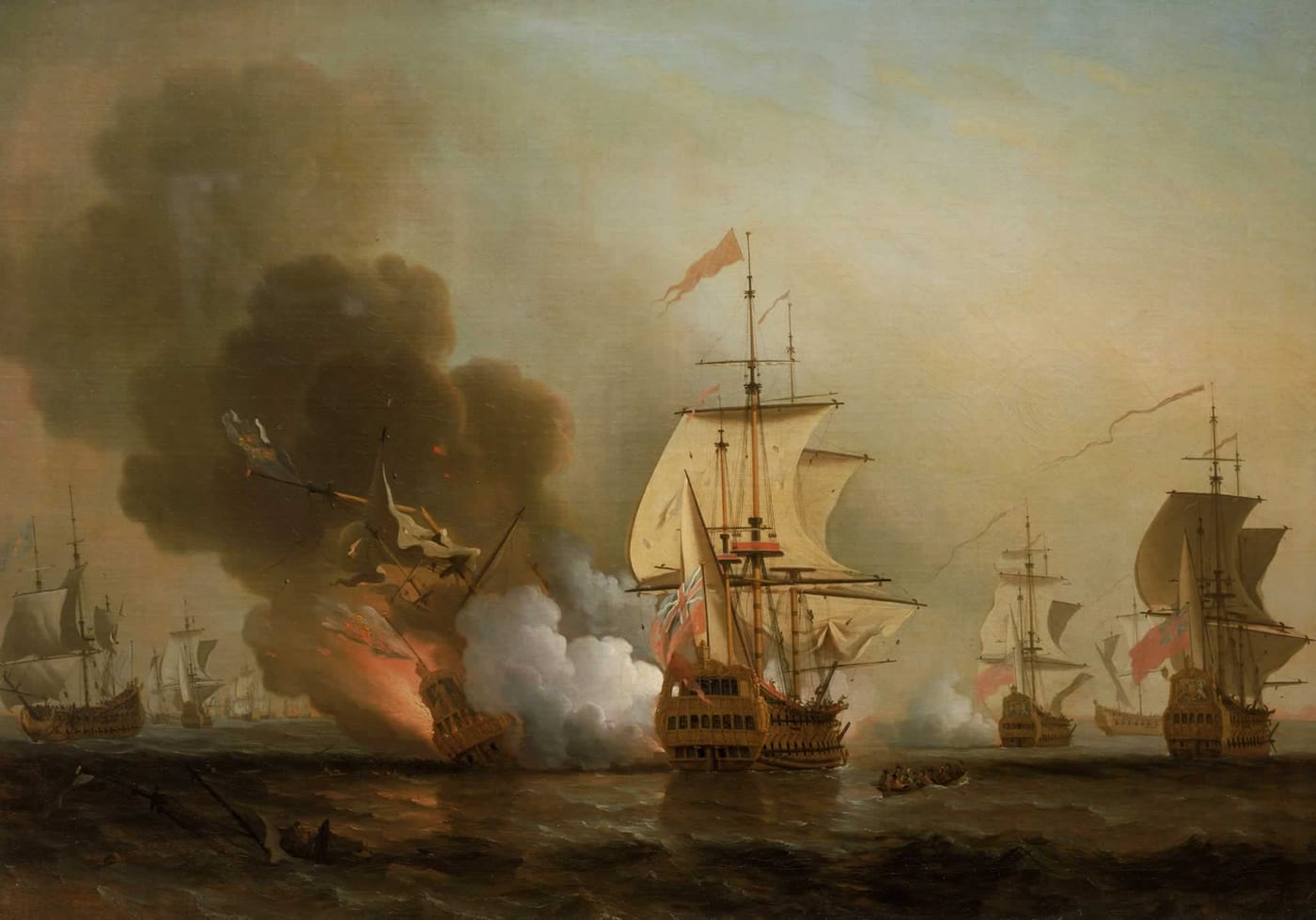
Samuel Scott (c. 1743 to 1747), Wager's Action off Cartagena, 28 May 1708. Public domain via Wikimedia Commons.
The largest treasure on Earth is no longer gold
Lede
In November 2025 Colombia recovered three hammered gold coins, a bronze cannon, and a porcelain cup from the wreck of the San José, three hundred and seventeen years after it went to the bottom of the Caribbean off Cartagena. The full cargo is estimated at seventeen to twenty billion dollars. In August 2025 the Kerala state government formally proposed opening Vault B of the Padmanabhaswamy temple, the last sealed vault, by long custom not to be touched. The five vaults already opened contain roughly twenty billion dollars in gold, jewels, and precious stones. In May 2025 a Welsh court dismissed James Howells’s case to excavate the Newport landfill where he believes a hard drive holding eight thousand bitcoin lies buried. At present prices that drive is worth roughly $885 million. And somewhere in the original Bitcoin codebase, Satoshi Nakamoto’s wallets, about 1.1 million coins, have not moved since 2010. At current rates, that is sixty-seven to one hundred and twenty-four billion dollars of treasure that may or may not have a holder.
Three categories of treasure coexist in 2026, physical, sovereign, and digital. They are reported on separate pages of the financial press, studied by separate experts, and insured, where they are insured at all, by separate brokers. The largest of the three, by an order of magnitude, is the one the press still treats as a curiosity rather than a treasure.
What the press still calls treasure
The English-language treasure press still means gold and silver and emeralds. The San José is the headline because the San José fits the template, a Spanish galleon, a hurricane, three centuries on the seabed, a recovery operation watched by the head of state. CNN, BOAT International, Ancient Origins, the Colombian national broadcasters all covered the November 2025 recovery the same way. Underwater photos of the bronze cannon. An estimated value range from seventeen to thirty billion dollars. A brief mention of the legal dispute with Sea Search-Armada, the US salvager that claims partial rights under a contract from the 1980s. A closing line about cultural heritage.
This is the part of the treasure economy that fits the documentary format. It is the part that gets the Netflix series. It is also the smallest of the three categories.
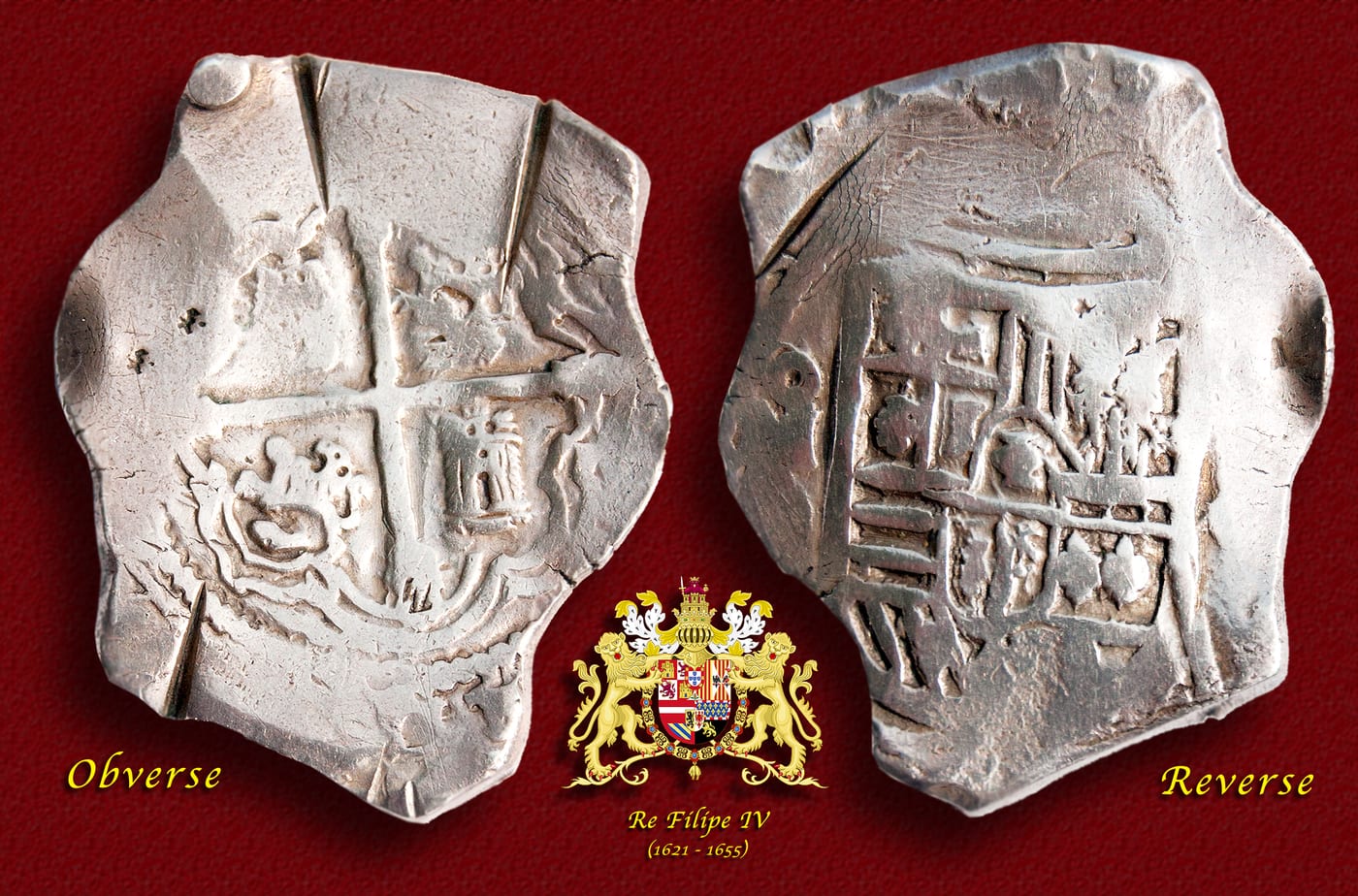
The physical category is wider than the San José. The 1715 Spanish Treasure Fleet, scattered across Florida’s Treasure Coast, yielded more than a million dollars in coins to salvage crews in 2025 alone. The Atocha and Santa Margarita, located by Mel Fisher in 1985 after a sixteen-year search, remain under active recovery, the Fisher family still operates the Magruder on the wreck site, and substantial coin, silver-bar, and emerald material is understood to remain on the bottom. Roman-era and Black Sea wrecks continue to yield material to ongoing archaeological work.
The contemporary salvage industry sits alongside. Odyssey Marine Exploration, the only publicly-traded treasure salvage company, NASDAQ ticker OMEX, has recovered substantial material across two decades, including the half-million silver and gold coins of the 2007 “Black Swan” find. Spain won the subsequent legal dispute and the coins went back. Odyssey itself is structurally distressed, has lost money in most recent years, and has pivoted toward deep-sea mineral exploration rather than treasure. The point is structural. Even the public-equity model for treasure salvage operates at a loss, even with substantial recoveries.
The total physical category, by commentator estimate, is in the thirty to fifty billion dollar range, wreck by wreck, the inventory of the Spanish galleons, the 1715 fleet, the unidentified Roman wrecks, the contested colonial-era salvages. Substantial sums. Not the largest.
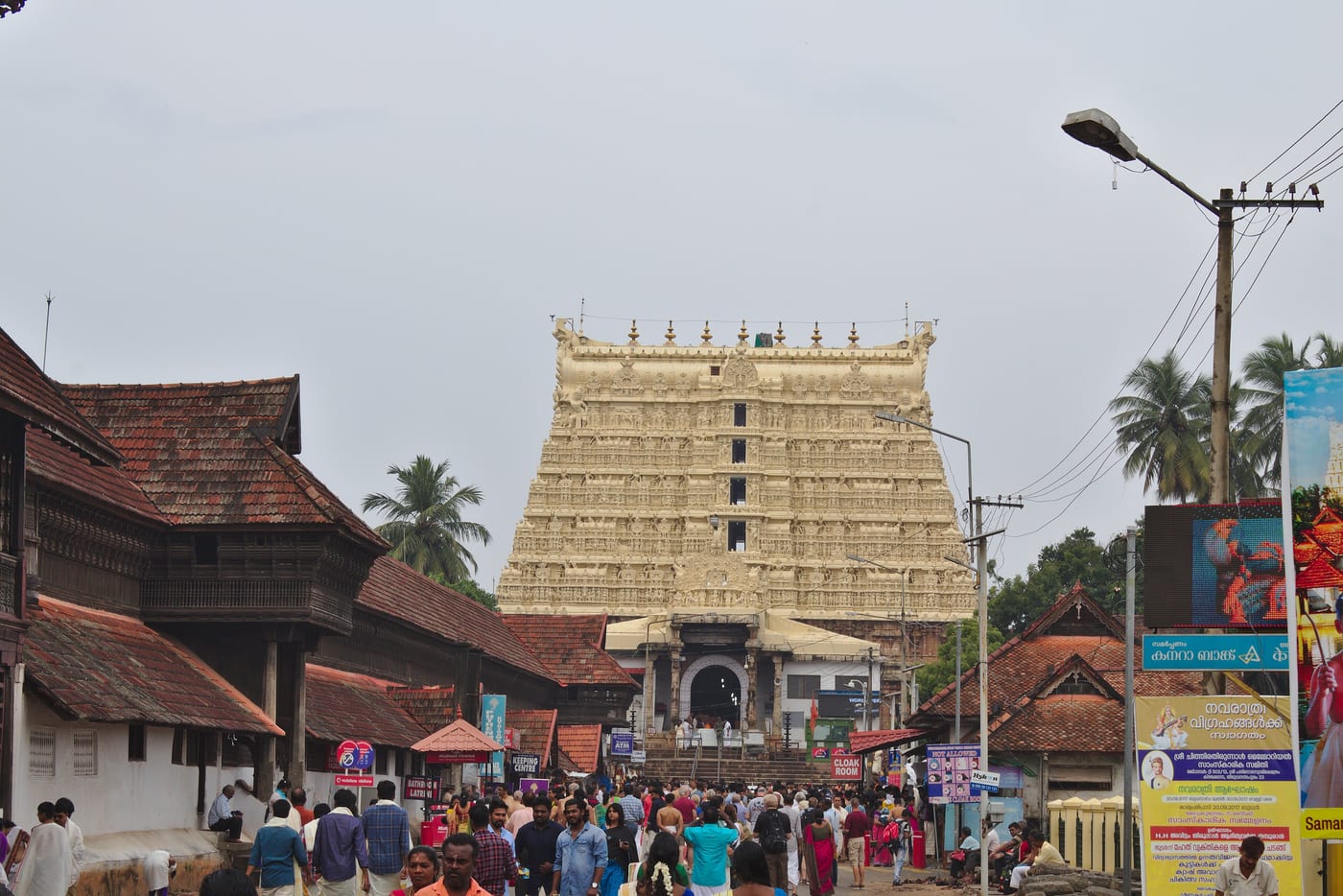
The sovereign-and-religious vault
The Padmanabhaswamy temple in Thiruvananthapuram is the largest single declared treasure in the contested-sovereign category. When the Indian Supreme Court ordered an audit of the temple’s vaults in 2011, the five vaults opened produced gold coins by the tonne, diamonds, jewellery, and ceremonial objects valued in commentator estimate at twenty billion dollars. The temple is administered by the Travancore royal family, a July 2020 Supreme Court judgment confirmed their administrative control, and the family has opposed every attempt to open the sixth vault, Vault B, on the grounds that temple custom prohibits it.
In August 2025 the Kerala state government formally renewed the pressure to open. M. Velappan Nair, the state’s representative on the Temple Administrative Committee, proposed it. The Travancore family resisted. Both positions are litigated. Neither is resolved at the time of writing.
The category extends well beyond Padmanabhaswamy. The British Crown Jewels, never market-valued but symbolically substantial. The Hermitage collections, politically volatile post-2022. The Holocaust-era restitution architecture, which continues to relocate substantial holdings between families and institutions. The Benin Bronzes, the Parthenon Marbles, the senior Egyptian antiquities cases, the cultural-restitution market operates at an unprecedented pace.
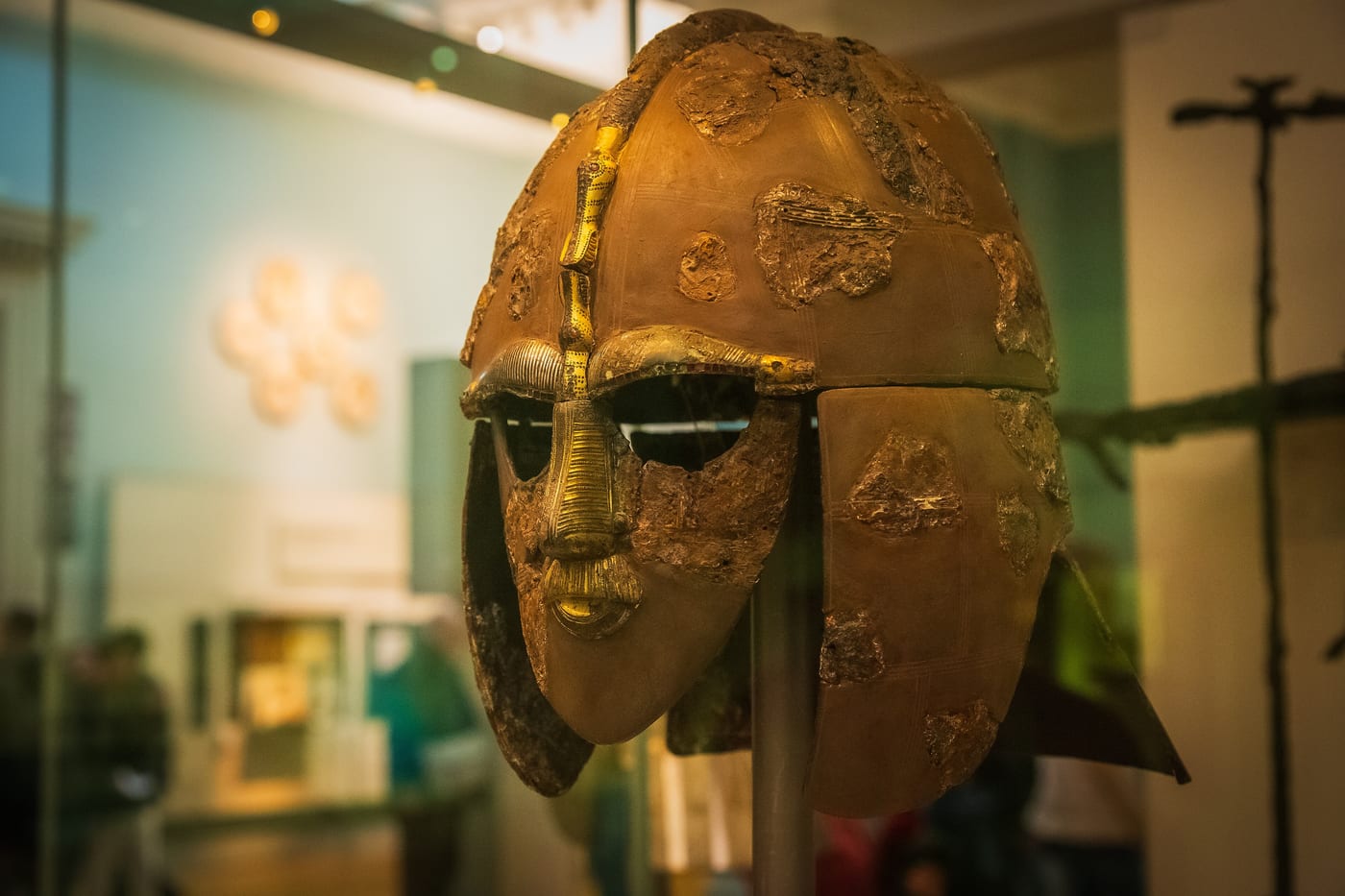
Recent activity: in January 2025, three thieves dynamited their way into the Drents Museum in Assen, the Netherlands, and stole the Helmet of Coțofenești, a fifth-century-BCE Geto-Dacian gold helmet on loan from Romania, along with three Dacian royal bracelets. Three suspects were sentenced to forty-seven months. In April 2026 the helmet and two of the three bracelets were recovered via a plea-deal arrangement. The third bracelet is still missing.
The sovereign-and-religious category is harder to value because most of it is not market-tradeable. Commentator estimate puts it somewhere between twenty and fifty billion dollars in declared known inventory. The second-largest category. Still not the largest.
The digital category nobody calls treasure
The largest category of lost treasure on Earth in 2026 is digital. The estimate is robust: blockchain analytics research places the share of mined Bitcoin permanently lost between 17 and 23 percent, approximately 2.87 to 3.79 million coins. At present market price, that is somewhere north of four hundred billion dollars.
The architecture of the loss is structural and well-documented. James Howells’s discarded hard drive contains eight thousand bitcoin, worth about $885 million at May 2025 prices; it sits in a Newport City Council landfill in Wales, under settled compacted waste, and the British courts have declined to order an excavation. Satoshi Nakamoto, the anonymous founder of Bitcoin, controls wallets holding approximately 1.1 million coins, last moved in 2009 or 2010; nobody knows whether the keys are held, lost, inherited, or destroyed. If they are lost, this is the single largest inaccessible fortune in history. If they are held by a living person, it is the single largest dormant fortune in modern history. Either reading is editorial.
There is a third pattern. In the early summer of 2025, a Bitcoin wallet that had been dormant for fifteen years suddenly transferred fifty million dollars worth of coins to a trading exchange. The on-chain analytics community noted it immediately. The identity of the holder remains unknown. The signal is clear: at least some of the early-era wallets that the loose census of “lost” Bitcoin assumed gone are not lost. They are patient.
A new service industry has emerged around the recovery question. Wallet Recovery Services, Unciphered, KeychainX, each markets specialised recovery for client wallets where the keys are partially recoverable. The pricing is typically a percentage of recovered value, often twenty percent or above. None of this is widely covered in the wealth press, which still files digital treasure under “crypto news” rather than the treasure beat.
This is the editorial inversion of 2026. The category the treasure press still treats as ancillary contains ten times more value than every Spanish galleon and contested temple vault put together.
What the insurance market already knows
The senior insurance market knows something the press does not. Digital-asset estate planning is now a substantial line item across private banks and family-office attorneys, read the Estate planning instruments note in the leontia vault for the institutional architecture. Cold-storage architecture, multi-signature inheritance, key-custodian services (Anchorage Digital, BitGo, Fireblocks, Coinbase Custody, Komainu), the post-2018 RUFADAA digital-asset legislation in the US, all responses to the recognition that the largest at-risk wealth category at the senior UHNW level is now digital.
Physical-treasure salvage remains a speculative-investment category, primarily through family-controlled operations like Mel Fisher’s Expeditions, which offers a commercial structure for UHNW investors to fund expeditions in return for a share of recovered material. The public-equity model (Odyssey) has not worked. The cultural-restitution market continues to grow.
The sovereign-and-religious category, as a structural matter, sits outside the treasure economy in the financial sense, the Padmanabhaswamy holdings are not market-liquid, the Benin Bronzes are subject to restitution claims rather than trade, and the Crown Jewels do not trade. Commentator valuations are placeholder.
The digital category is the one that matters for UHNW estate planning. It is also the category the press still does not call “treasure.”
What to watch
Three developments will define the treasure economy over the next twelve months. The first is the continuing recovery of the San José, Colombia plans further expeditions, and the Sea Search-Armada legal dispute remains unresolved. The second is the Padmanabhaswamy Vault B question, the Kerala state’s position has hardened, and a court order to open could land at any point in the next eighteen months. The third, and the most editorially consequential, is whether further tranches of dormant Bitcoin wallets revive. The summer 2025 event, when a fifteen-year-dormant wallet moved fifty million dollars, was the first public signal. If three to five more such revivals happen in the next twelve months, the “permanently lost Bitcoin” estimate substantially shrinks, and the market structure shifts with it.
For the senior UHNW reader, the lesson is closer to home. The treasure most likely to vanish from an estate today is not under the sea or behind a temple door. It is in a private-key file on a hard drive that nobody has remembered to back up properly. The physical and sovereign categories are about history. The digital category is about whether estate planning has caught up to 2026.
Sources cited
- CNN, Colombia One, and Ancient Origins coverage of the November 2025 San José galleon recovery. See 2025-11 San Jose galleon first recovery.
- Israel Hayom and Fox News coverage of the Sea Search-Armada legal dispute. See 2025-11 San Jose legal dispute Sea Search-Armada.
- Onmanorama and Deccan Herald on the August 2025 Kerala state initiative to open Padmanabhaswamy Vault B. See 2025-08 Padmanabhaswamy Vault B pressure.
- Bankrate, Spokesman, and PANews on the $400bn+ in permanently lost Bitcoin. See 2025 Bitcoin lost wallet treasure 400bn.
- UK court dismissal coverage of the James Howells Newport landfill case. See 2025-05 James Howells Newport hard drive denied.
- Blockchain analytics consensus on Satoshi Nakamoto’s 1.1m BTC wallet. See 2025 Satoshi Nakamoto dormant 1.1m BTC.
- PANews coverage of the summer 2025 fifteen-year dormant wallet revival. See 2025-summer Dormant 15-year wallet revival.
- Wikipedia, Artforum, and NL Times coverage of the January 2025 Drents Museum heist and April 2026 partial recovery. See 2025-01 Drents Museum Dacian gold heist.
- Seeking Alpha, Tampa Bay Times, and SEC filings on Odyssey Marine Exploration. See Odyssey Marine OMEX publicly traded salvage.
- Mel Fisher’s Treasures public material and 1715 Fleet Society on the ongoing Atocha salvage. See Mel Fisher Atocha ongoing dynasty.